Wood Firing and the Marks of Flame
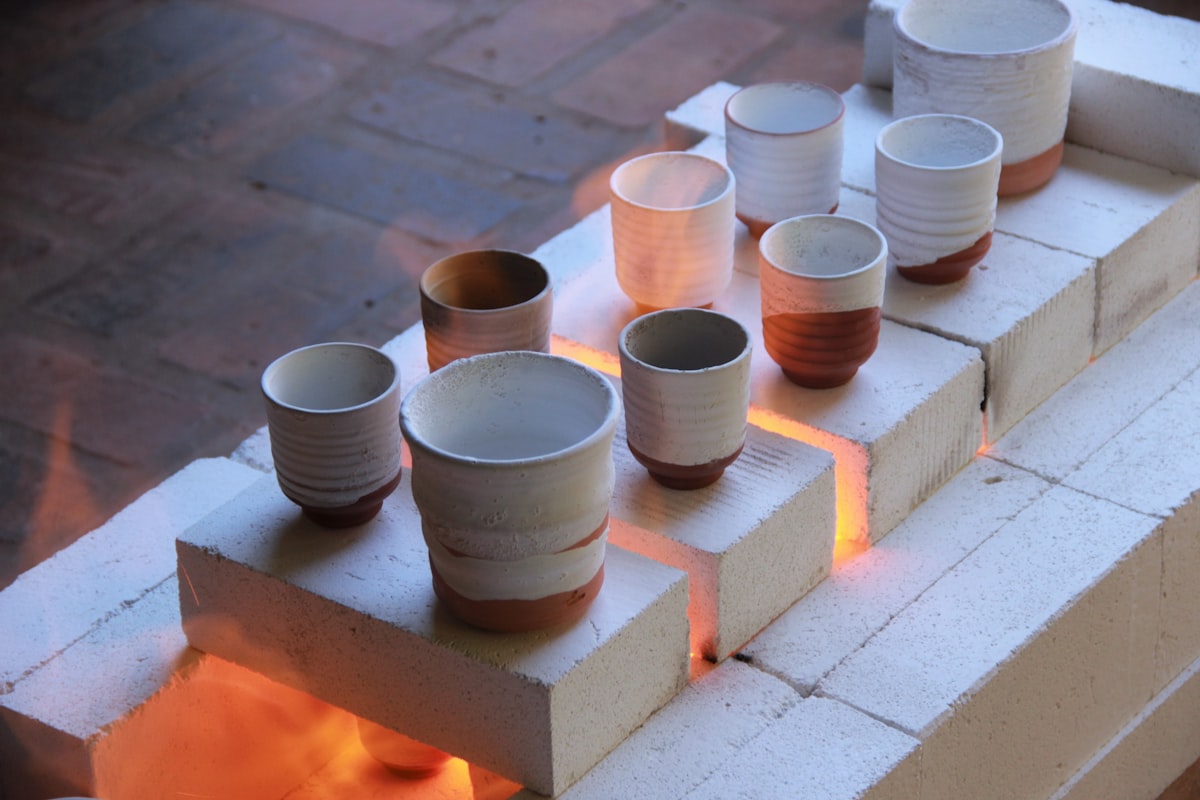
Photo: Viviane Okubo / Unsplash
Long before electric kilns, pots were fired with wood, and some makers still treasure the method. Flame and flying ash travel through the kiln and settle on the pots, melting into natural, accidental glazes — blushes of colour, toasted surfaces, drips no one could plan.
A wood firing can last for days and demands constant tending, the fire stoked around the clock. Every piece comes out unique, shaped as much by the path of the flame as by the maker’s hands.
It is laborious and chancy, and that is exactly the point. Wood-fired pieces wear the story of their making on their skin — a reminder that handmade things are records of a moment that will never repeat.