A Little Glaze Chemistry
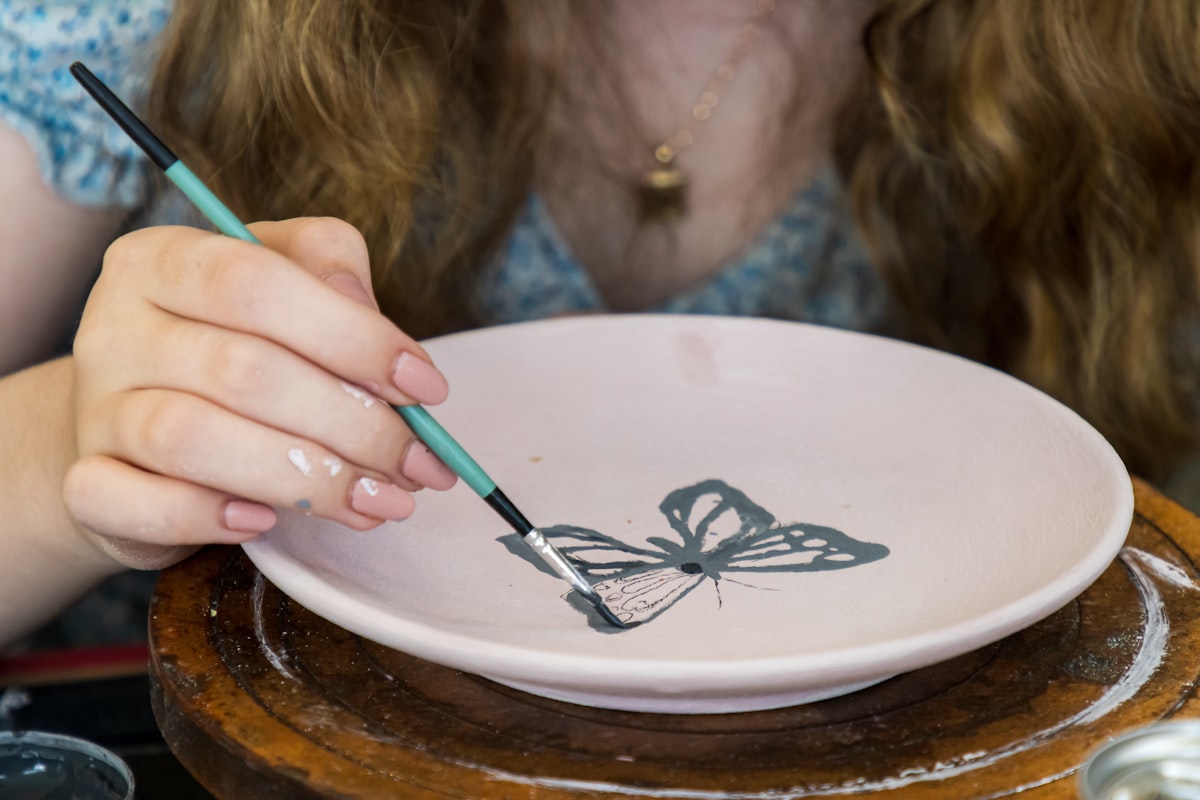
Photo: Grant Durr / Unsplash
A glaze is essentially a thin layer of glass fused to the surface of a pot. It is built from three roles: a glass-former (usually silica), a flux that helps it melt at kiln temperatures, and a stabiliser that stops it running off. Get the balance right and the surface comes out smooth and durable.
Colour comes from small additions of metal oxides. Cobalt gives deep blues, iron yields ambers, browns and celadon greens, copper produces greens and turquoises. The very same oxide can give different colours depending on the temperature and the atmosphere inside the kiln.
This is why glazing is part craft and part science. Our glaze team tests recipes on small tiles, records every result, and refines them over time. The reliable, beautiful colours in our shop are the fruit of patient experiment.